
Introducing CTR Technologies
Developing snippit.tech and other privacy-first AI tools

I’m a big fan of the Carl Jung quote, “Until you make the unconscious conscious, it will direct your life and you will call it fate.” This is one of the reasons why I love writing — writing allows you to discover patterns in your thinking that you may not even be aware of yourself. In my first Substack post, I wrote about how I moved from North Carolina to Austin with vague plans of being a musician and somehow ended up as a Senior Software Engineer on the #1 free business app on Google Play. After reflecting on my journey, I realized it was only possible because a lot of great people in the Austin tech community believed in me, introduced me to early opportunities, and gave me the chance to make mistakes along the way. But I could only connect those dots looking backward; at the time, they seemed like random events that happened to me while pursuing interests — software development, music, economics, digital ownership — that all felt unrelated.
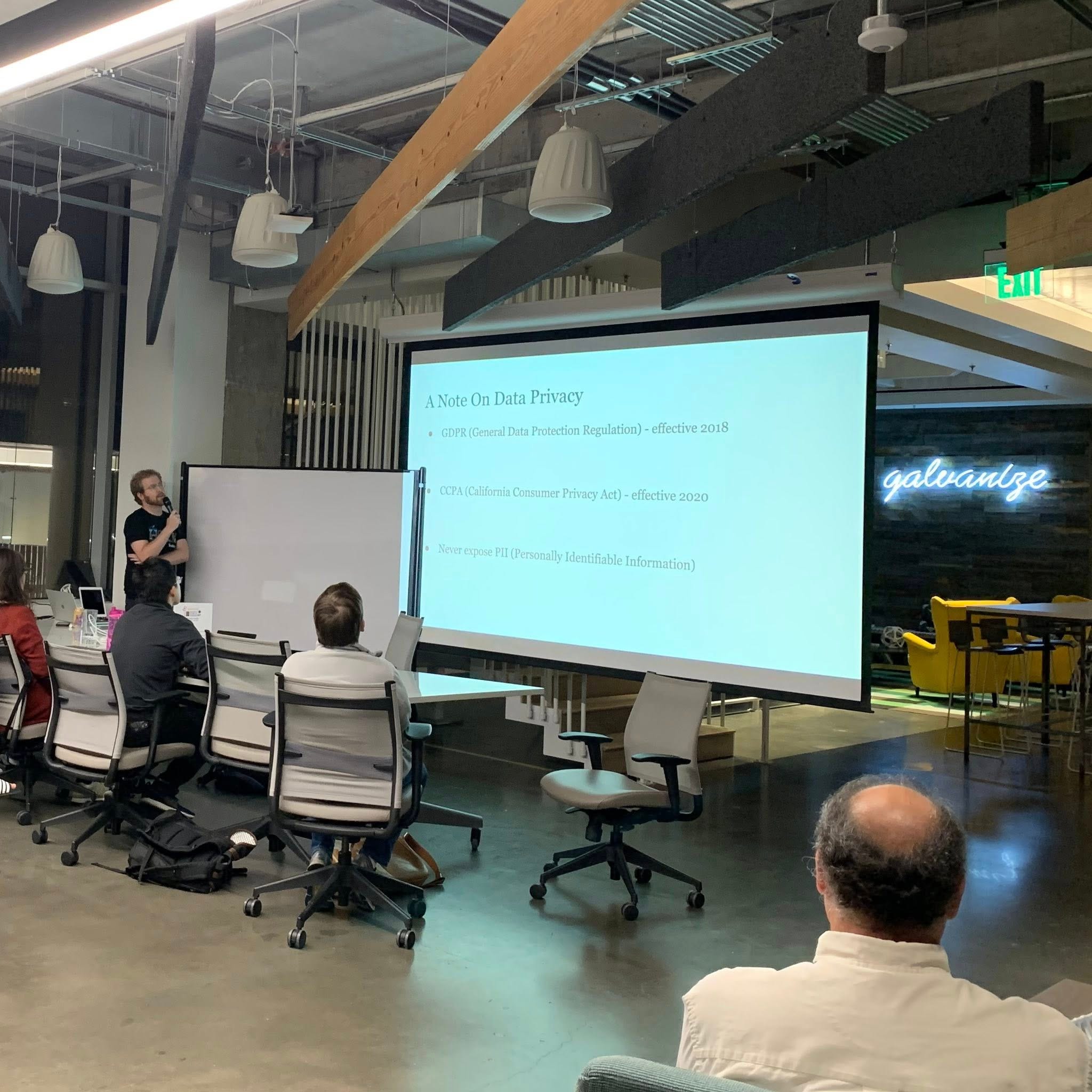
When I wrote that post in 2023, Indeed had just conducted its first round of layoffs, and I could sense that the tech industry was beginning to transform. ChatGPT had become the fastest-growing consumer product of all time, and companies like NVIDIA and Anthropic were already receiving unprecedented levels of venture investment. As an engineer working in Big Tech, I frequently heard concerns that AI would disrupt our information systems, and I knew it had the potential to reshape fundamental market dynamics between labor and capital. But I never would have guessed that it'd lead me to start my own company, tying together all of my interests into a singular product philosophy.
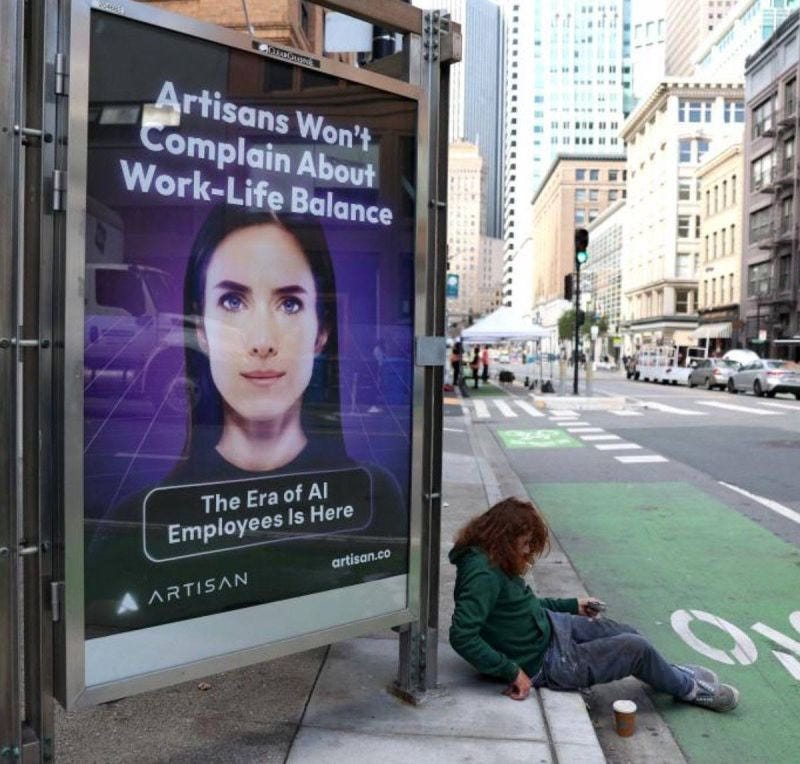
At Indeed, I had a stable role, talented and hardworking teammates, and plenty of reasons to stay. But I felt increasingly disconnected from the work I was doing, and farther from the communities I wanted to be part of. I kept being told that AI would magically fix the economy, but I saw in code reviews that models were introducing new problems, and I couldn’t get a sense of how they actually created value for people on the ground. So in 2025, I took voluntary severance and moved back to North Carolina.
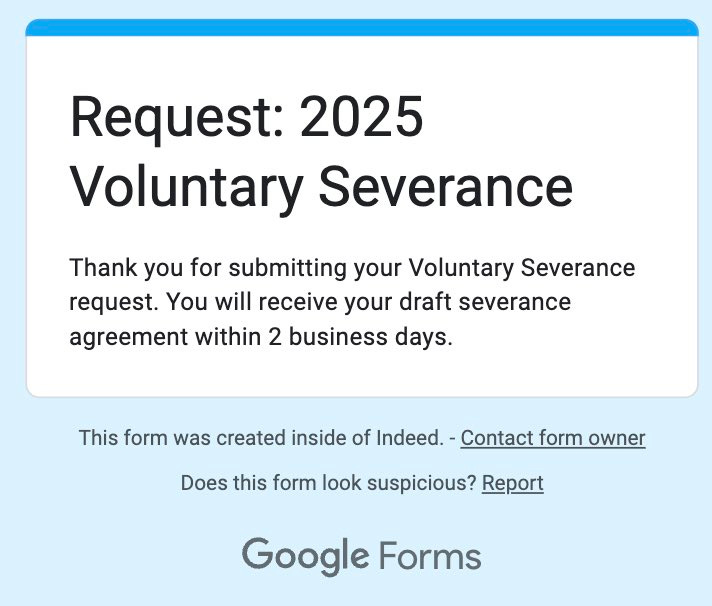
Indeed provided two weeks of severance pay for every year at the company, and since I worked there for nearly seven years, I had more than three months. During this time I honestly did nothing; after surviving three rounds of layoffs and other challenges, my nervous system was wrecked.
Once I got some rest, I eventually began reaching out to old connections in North Carolina to figure out what to do next. When I asked my friends and family in the Research Triangle their thoughts about AI, I found that although many were excited, they also had serious concerns. Several were unsure what personal data was being collected and how it was used, citing the cautionary tales of social media incidents like Cambridge Analytica. Others explained that although they had tried a few chat apps like ChatGPT and Claude, they hadn’t yet integrated them into real use cases.
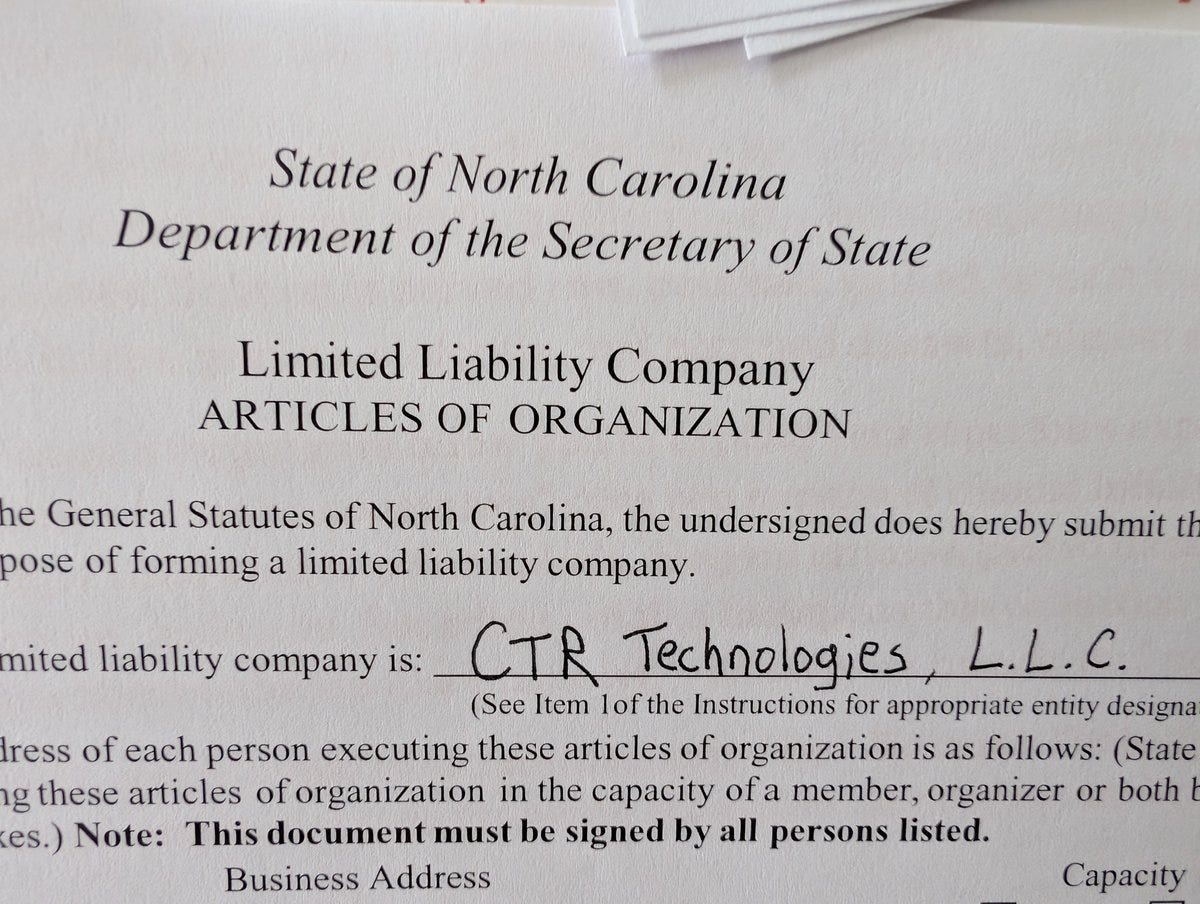
That’s why I created CTR Technologies, L.L.C. CTR Technologies is a software company focused on building privacy-first, workflow-driven tools for research and knowledge work. The guiding principle is that software should be understandable. Users should be able to tell:
what a system does,
what it costs, and
what happens to their data.
The first product from CTR Technologies is Snipp-It, a Chrome extension and research workspace ensuring your Internet deep dives always come up with results.
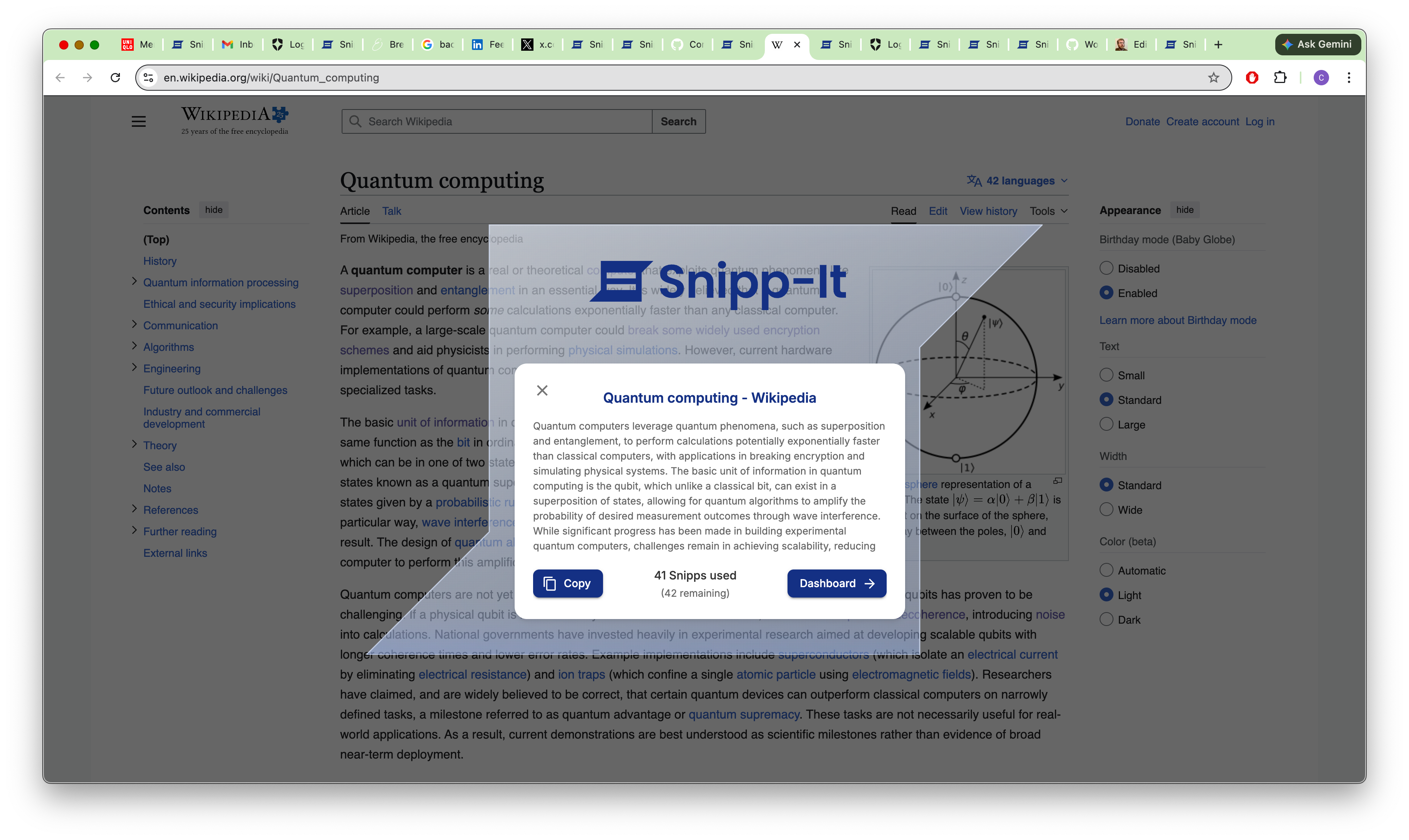
Most AI tools are built around isolated prompts. You ask a question, you get an answer, and then the interaction disappears. There’s no memory, no structure, no sense that your thinking is building toward anything. Over time, you end up repeating yourself, retracing steps, and losing track of where your ideas came from in the first place.
With Snipp-It, it’s different: your research actually accumulates onto a personalized dashboard, accessible anytime at snippit.tech.
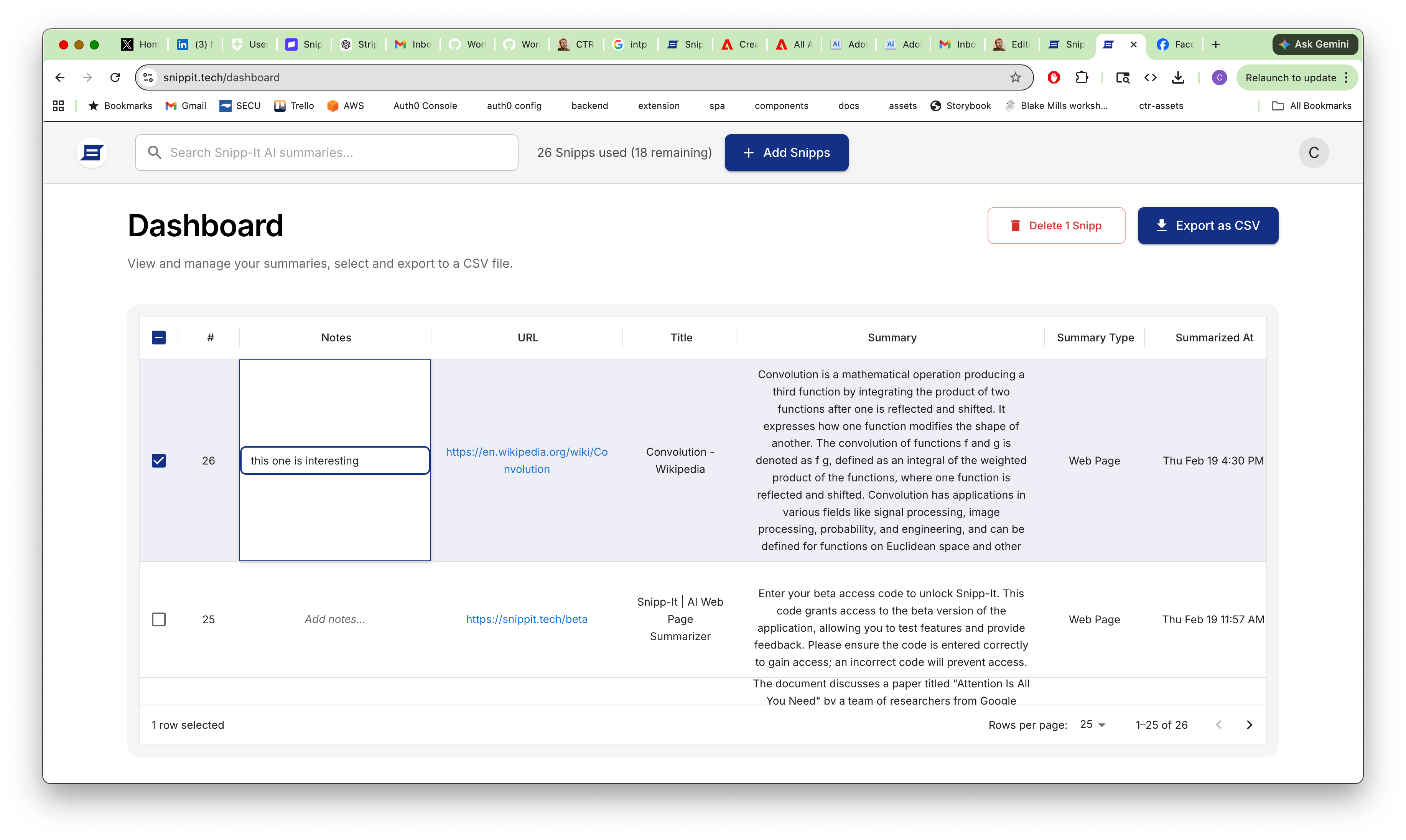
Instead of pasting into tools like ChatGPT or Claude and interrupting your flow, Snipp-It lets you get your work done directly inside the browser. As you read, you can highlight any passage and turn it into a structured summary in place, with a single click. Summaries stay connected to the original source, along with everything else you've collected, so your work doesn’t disappear into a stream of past prompts. It builds into something you can revisit, organize, and eventually export when you’re ready to write or share.
Snipp-It is also designed with a different philosophy around data: your notes are actually encrypted and tied to your account. They aren’t pooled, reused, or fed back into a shared system, and they never get sent to third-party advertisers. Because at CTR Technologies, we believe your research belongs to you — not the tools you used to create it.
Rather than force a subscription paywall, Snipp-It uses on-demand pricing for "Snipp" credits, with one Snipp corresponding to one AI summary. Users can get started with Snipp-It for free, then only buy more Snipps if needed for their research use case. This was inspired by my time at Indeed, where Pay for Performance was a core tenet of the business model. I strongly believe that AI systems should be designed with explicit inputs and outputs, rather than operating as black boxes asking for blind user trust.
I chose a vinyl record player as the company logo because it symbolizes this concept of economic transparency. Vinyl stores information in a format that's actually readable — grooves pressed into physical material, owned by the person who bought it, playable on any record player, no permission required. Even though vinyl is older, it's still the preferred format for many music lovers. And that preference is not just nostalgia; it's about knowing what you've got.

Because the truth is, I don't know what will happen with AI and the tech industry. I don't know if it was a good idea to walk away from a stable job at Indeed or to move back to North Carolina. I don't know if I will be able to find product-market fit for any of these applications, and I don't know if the company I founded will even have any customers at all.
I only really know one thing:
It will be mine.
Welcome to CTR Technologies.
Congratulations on starting your new venture, Carter! As always, I am amazed, but not surprised, by your creative mind and entrepreneurial spirit. I wish you the best as you forge ahead with YOUR company! -Dr. Brooks